

Understand what your accident claim needs to show
An injury claim brings together three questions: what happened, who may be responsible, and how the injury affected you. A strong record connects those questions instead of relying on a description of the crash alone.
For example, a vehicle photograph can show the impact, while a medical record describes an injury and an employer’s record helps explain missed work. Different documents answer different questions. An attorney can review where the evidence is clear and where more information is needed.
Mazoff Legal’s accident practice starts with that review. Your consultation is a chance to discuss the facts, the insurance issues, and whether Andrew Mazoff can help you move the claim forward.
Accident matters and the questions they raise
Car accidents
With a rear-end or intersection collision, useful questions include where each vehicle was, what the drivers reported, whether witnesses saw the impact, and which insurers have opened claims. A police report can be part of the record, but it may not answer every question.
Truck accidents
A commercial-vehicle collision may involve records held by more than one party. The driver, vehicle owner, business, and insurance arrangements may need to be identified. Ask which records could matter and how they can be requested or preserved.
Motorcycle accidents
The review should account for the collision itself and the effect of the injuries. Photographs, road conditions, witness accounts, and the medical history can help place the available information in context.
Other accident injuries
Tell the firm how you were injured, where it occurred, and who was involved. That information helps identify the type of claim and whether it fits Mazoff Legal’s practice.
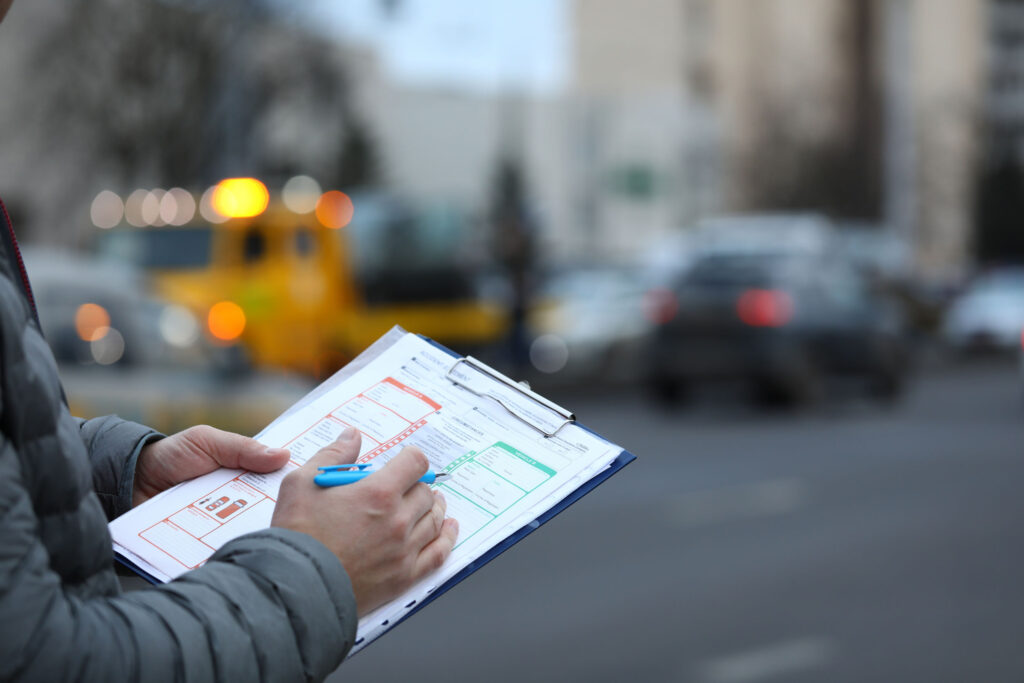
Responsibility, disputed fault, and missing evidence
Drivers and insurers may give different accounts of the same crash. The point of reviewing evidence is to test those accounts against the available records. A consultation can explore photographs, witness information, reports, and any communications already exchanged.
If responsibility is disputed
Make a list of the points in dispute and the records that could clarify them. Was a traffic signal involved? Are the vehicle positions contested? Does anyone else have photographs or video? These are questions for a case-specific review, not conclusions about who will win.
If more than one person contributed
Arizona generally applies comparative negligence, which can reduce damages by a claimant’s share of responsibility. Exceptions apply. The practical question is how the evidence supports each party’s account. Read A.R.S. § 12-2505.

Insurance coverage is a separate part of the review
Identifying responsibility does not, by itself, answer which insurance policies may respond. Ask which insurers are involved, what claim numbers have been assigned, and whether you have received a coverage position or a request for information.
Your own automobile policy may also be relevant. Uninsured and underinsured motorist coverage are distinct forms of coverage addressed by A.R.S. § 20-259.01. Whether a policy applies depends on its terms and the circumstances; having a policy does not automatically establish that a particular loss is covered.
Bring the policy declarations and any insurer letters to the consultation. Ask the attorney to explain the difference between an insurer’s coverage decision, a claim valuation, and a settlement offer.
Documenting the effect of your injuries
A claim evaluation needs a clearer picture than a total on a stack of bills. Records can help distinguish amounts already incurred, treatment still being evaluated, time away from work, and the injury’s effect on daily activities.
- Medical records and bills: what services were provided and when
- Work records: dates missed, pay information, and relevant employer correspondence
- Out-of-pocket expenses: receipts and the reason for the expense
- Daily impact: concrete examples of tasks or activities affected
An attorney can explain which losses may be relevant and what evidence would support them. Future expenses, disputed records, and insurance limits can complicate an evaluation. No case value can be determined from a general webpage.
Settlement decisions and the possibility of litigation
A settlement offer is a decision point, not simply a number. Before deciding, ask what the release covers, which claims it resolves, and which losses the proposed amount is intended to address.
Questions to ask about an offer
- What information has been considered in the offer?
- Are there unresolved questions about treatment or documented losses?
- What rights or claims would the release close?
- What are the alternatives, costs, and uncertainties of continuing?
If an agreement cannot be reached, a lawsuit may be considered. That decision involves the evidence, applicable deadlines, potential costs, and litigation risks. Filing suit does not guarantee a particular result or timeline.
Deadlines and a useful first consultation
Many Arizona personal injury actions have a two-year limitation under A.R.S. § 12-542. The start date, exceptions, and shorter deadlines for some claims require individual review. Do not use a general timeline to decide whether your own claim is timely.
For the first conversation, gather the accident date and location, insurer and claim details, reports or photographs, medical bills, and any proposed release. Mention an approaching deadline immediately. Missing paperwork should be a question to discuss, not a reason to assume a claim cannot be reviewed.
Request an accident consultation to discuss your situation. Representation begins only after the firm agrees to take the matter and the engagement terms are established.
More detailed accident questions
Can an injury claim and a vehicle-damage claim involve different questions?
Yes. Vehicle repairs and the consequences of an injury involve different records and valuation questions. Ask what each proposed payment or release resolves before making a decision.
What should I bring if the insurer has already made an offer?
Bring the written offer, any release, insurer correspondence, medical bills, and the information you believe may be missing from the evaluation. An attorney can discuss what would be useful to review.
What if I do not have the crash report yet?
Share the report number, agency, accident date, and the documents you do have. The consultation can address which records still need to be obtained.
Why does the attorney need information about my own insurance?
Your policy may be relevant to coverage questions even when another driver was involved. The review depends on the policy terms and the facts; do not assume every available policy applies.
Can the firm tell me what the case is worth from this form?
No. A useful evaluation requires details about responsibility, evidence, losses, and coverage. The form starts a conversation; it does not provide a valuation or establish representation.
Does requesting a consultation stop a deadline?
No. A request does not extend a filing deadline or preserve a claim by itself. Tell the attorney about specific dates and ask what action may be required.